
«Prev From Oct 22, '26 to Nov 21, '26 Next»
10949
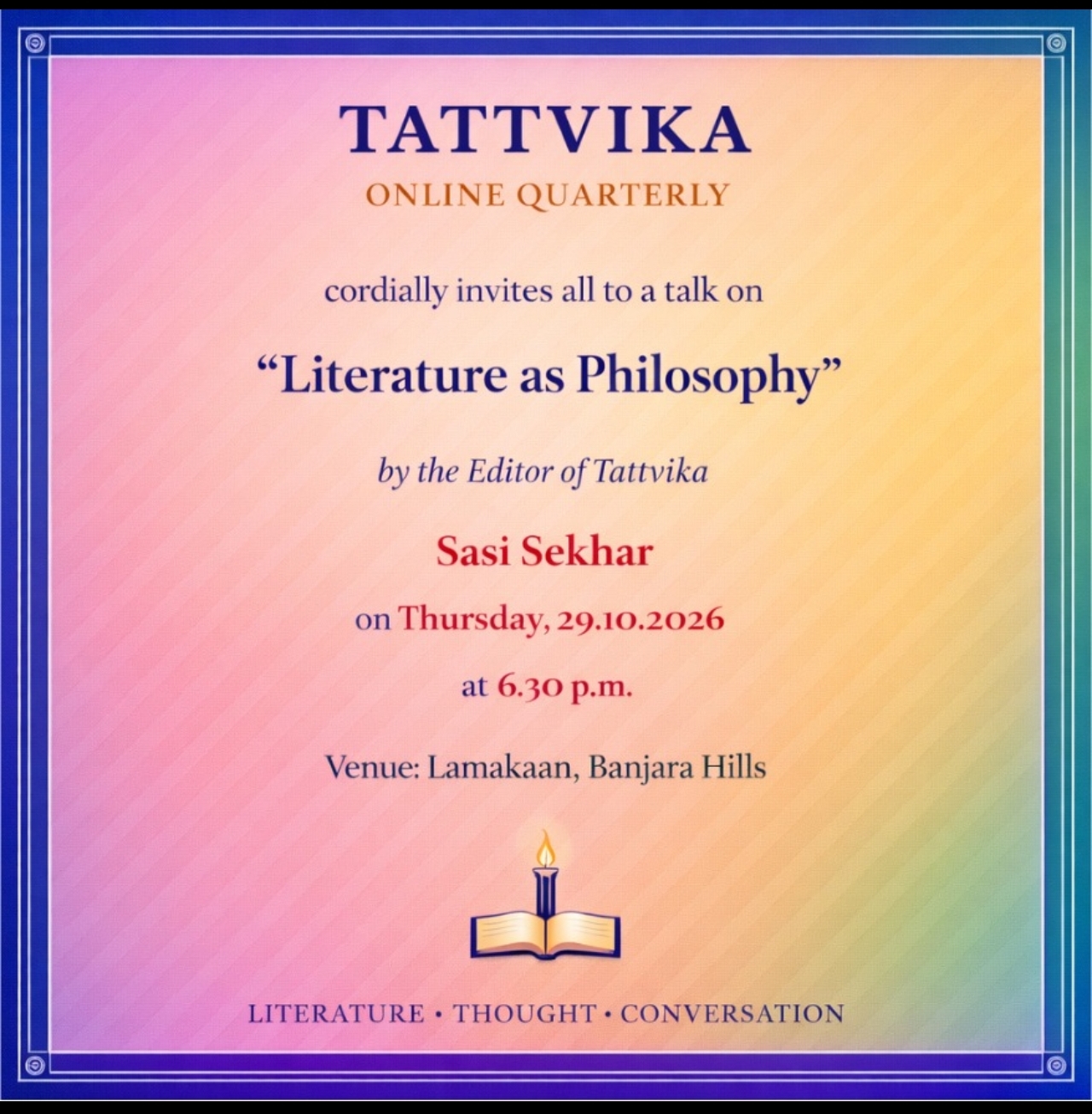
Literature as Philosophy
Thu Oct 29, 6:30 PM
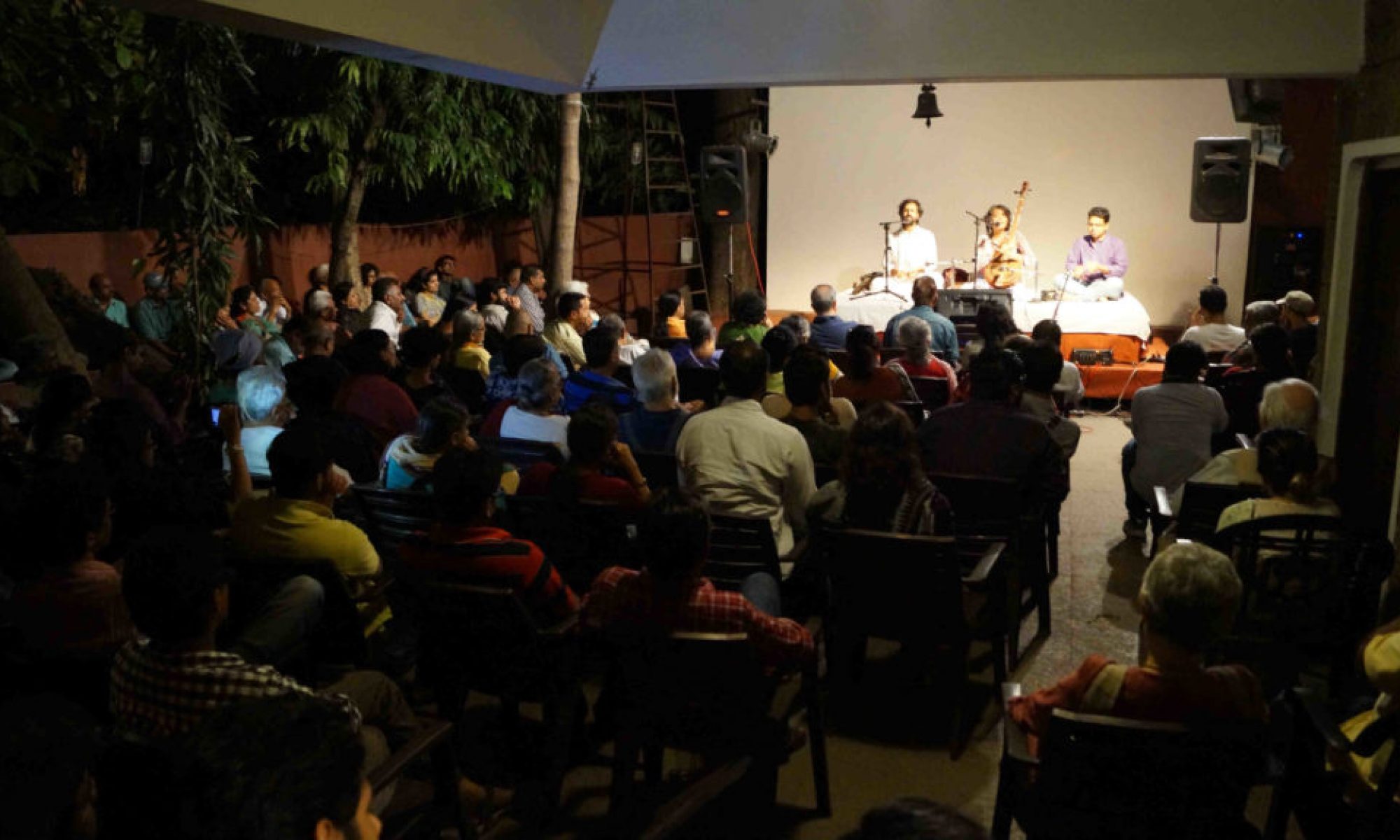
Lamakaan
Literature as Philosophy A Talk
By Sasi Sekhar (Editor, Taattvika)
A poet or writer will not be considered imperfect for not reading Plato’s Republic or Aristotle’s Ethics. But a philosopher, unfamiliar with Homer or Shakespeare, may lack insight into his theoretical systems. Philosophy seeks truth through concepts; literature discloses it through lived possibilities.
Literature deals with embodied human experience. Concrete instances of everyday life feed it. Literature accommodates contradictions and incongruities of mundane life, and makes them meaningful. Philosophy tries to eliminate all subjective elements from its domain. It rules the kingdom of Abstraction and doesn’t consider the vagaries of human life worth pondering.
Philosophy seeks conceptual clarity, logical consistency, and arguments for validation. It treats things that fall outside these criteria as irrelevant and meaningless. Literature, in contrast, is characterised by ambiguity, opacity, ineffability, and uncertainty. These are not literature's shortcomings but are its own philosophical paraphernalia with which it can reveal the complexity of human experience.
Literature does not deliberately philosophise, but it can create alternative worlds as a philosophical act. Philosophy is worried by the question “ What is?” and literature by “ What could be?”. Through metaphor, narrative, and ambivalence, literature takes us to the uncharted terrains of reality. Philosophy makes us think. Literature makes us experience in ways we never thought possible—and then refuses to let us stop thinking about that experience. Philosophy is considered the gateway to the truth of reality, but it is literature that opens the gate.